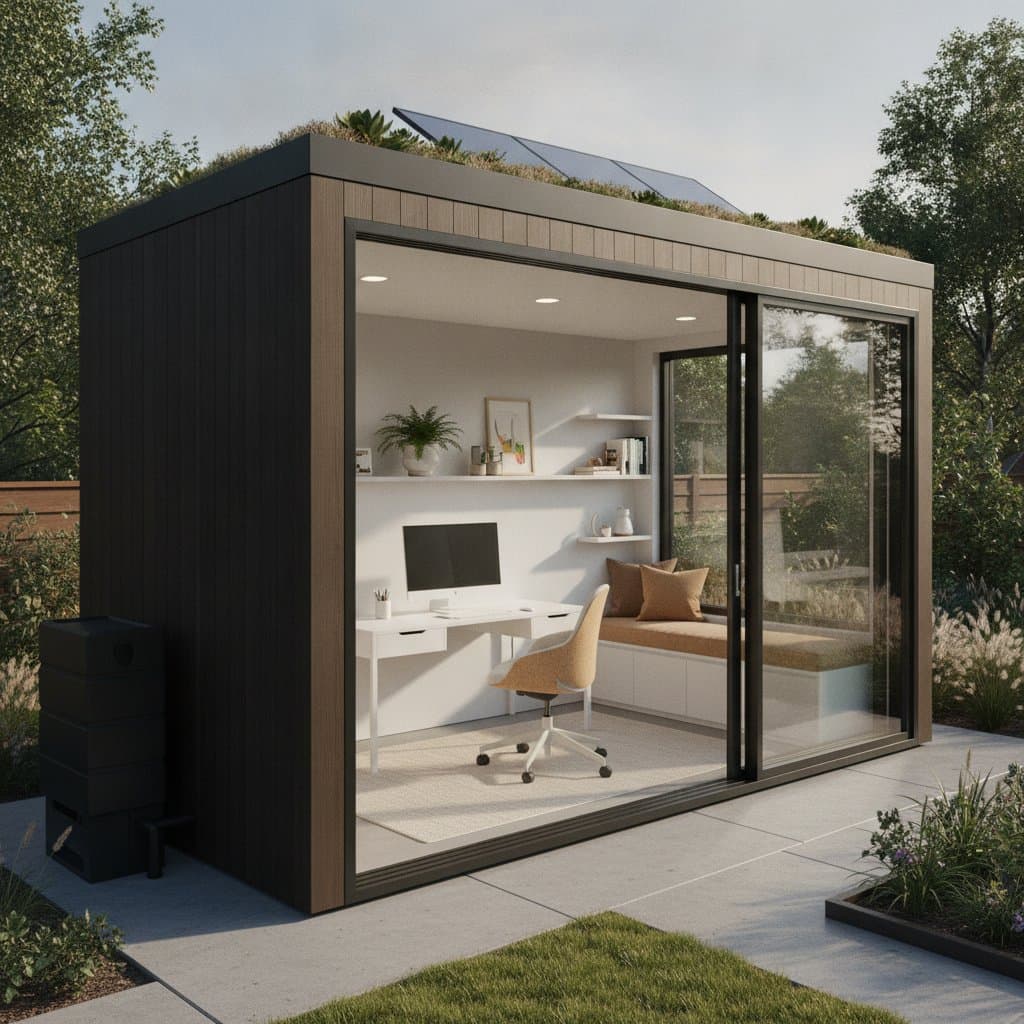
Featured image for Beach Homes Cut AC Costs 35% with Green Roofs

Beach Homes Cut AC Costs 35% with Green Roofs

Coastal residents achieve up to 35% reductions in air conditioning costs through living roof additions that serve as eco-conscious enhancements. Despite initial costs of $18 to $32 per square foot, benefits including energy efficiency, prolonged roof durability, and increased home value position this as a prudent choice for seaside properties.

PPam Jarnigan
Read Article

Latest Articles

Featured image for Limestone Seawalls Cost Less Long-Term Than Concrete

Limestone Seawalls Cost Less Long-Term Than Concrete

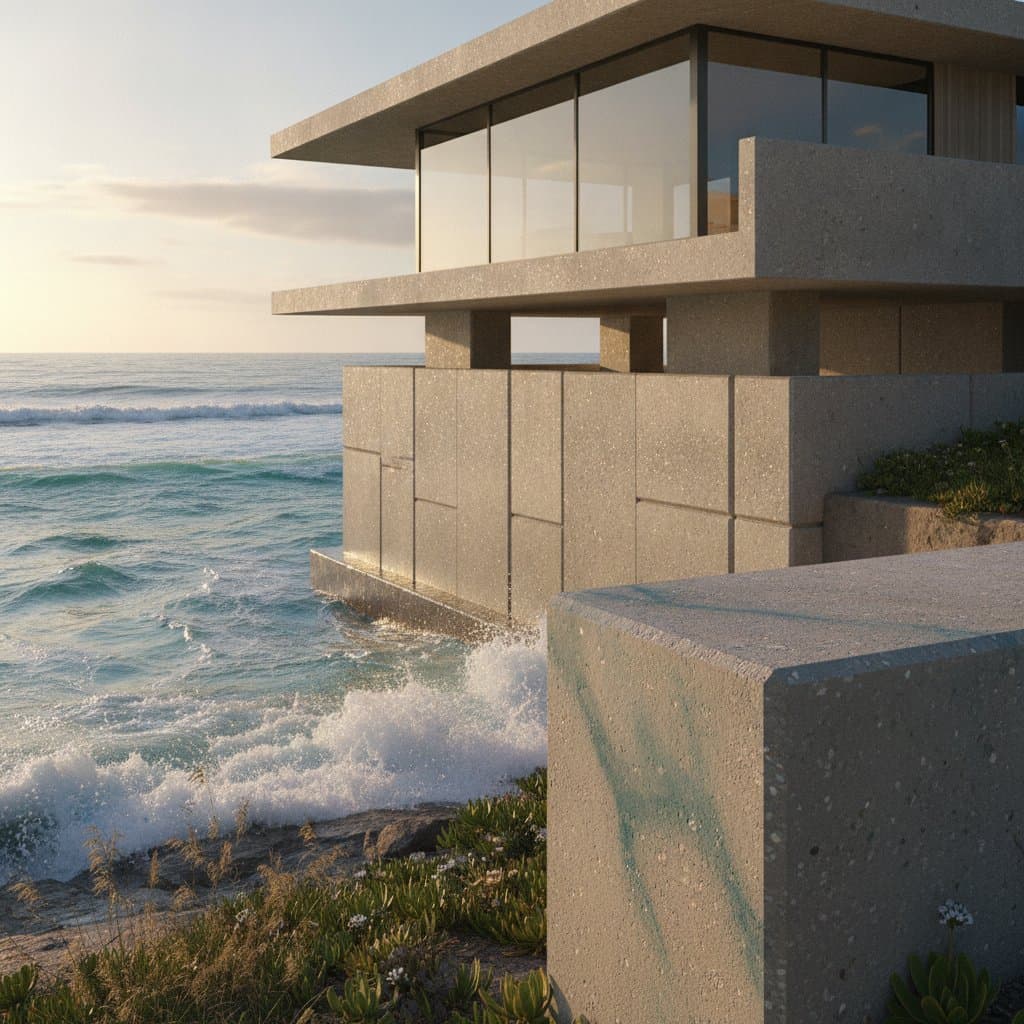
Limestone seawalls provide a resilient, environmentally attuned barrier against erosion, surpassing concrete in longevity and ecological impact. Their bioactive properties foster marine ecosystems, while superior wave absorption and low maintenance translate to significant long-term savings and aesthetic enhancement for coastal properties.

By Michelle Garrett
Featured image for Oyster Reefs Cost 75% Less Than Concrete Seawalls

Oyster Reefs Cost 75% Less Than Concrete Seawalls

Concrete seawalls are giving way to living shorelines built from oyster reefs, natural barriers that reduce erosion, boost biodiversity, and strengthen over time. Costing less than traditional seawalls, these eco-solutions filter water, protect property, and restore marine habitats, offering coastal homeowners a resilient, sustainable, and visually appealing alternative worth exploring further.

By Pam Jarnigan
Featured image for Living Shorelines Protect Coasts Without Seawalls

Living Shorelines Protect Coasts Without Seawalls

Living shorelines provide a resilient, nature-based alternative to rigid seawalls. Techniques such as native marsh plantings, oyster reefs, hybrid structures, and dune restoration combat erosion, support wildlife, and enhance the aesthetic appeal of waterfront areas. Implement these methods to develop durable coastal defenses that harmonize with the environment.

By Carol Bisson
Featured image for Living Seawalls That Protect Homes and Rebuild Reefs

Living Seawalls That Protect Homes and Rebuild Reefs

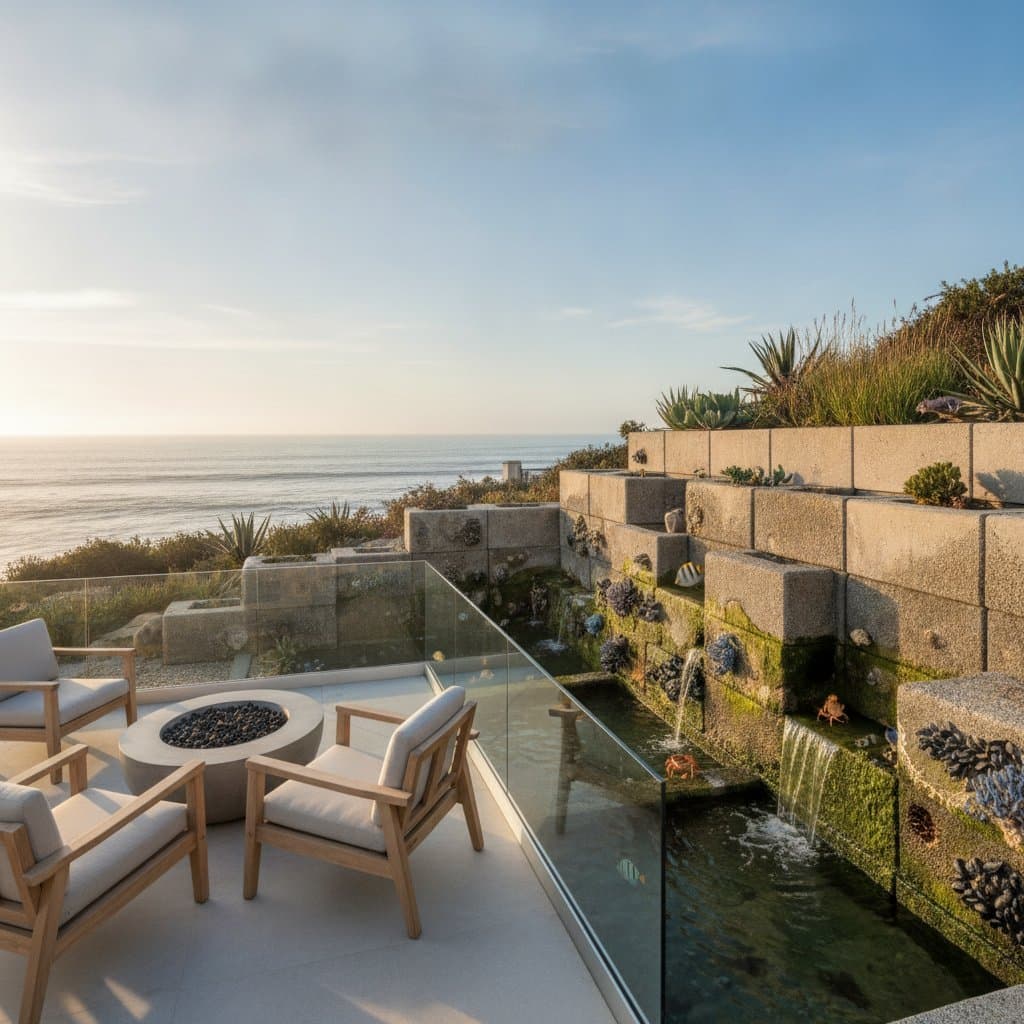
Living reef panel seawalls revolutionize coastal defense by merging engineering innovation with natural ecology. These systems protect beach homes from erosion, cultivate marine biodiversity, and deliver enduring savings and aesthetic enhancements. In San Diego, they exemplify how property security and ocean conservation align seamlessly.

By Michelle Garrett
Featured image for Geothermal HVAC Cuts Coastal Cooling Bills 60%

Geothermal HVAC Cuts Coastal Cooling Bills 60%

Coastal residents achieve up to 60 percent reductions in cooling costs through geothermal HVAC systems, which leverage consistent underground temperatures for efficient, low-noise operation. These durable setups resist salt corrosion and humidity, extend system longevity, secure rebates, and promote eco-friendly savings ideal for coastal lifestyles.

By Lori Thornton
Featured image for Living Shorelines Replace Seawalls in 2026 Codes

Living Shorelines Replace Seawalls in 2026 Codes

Effective 2026, coastal regulations prioritize living shorelines over seawalls, integrating elements such as marsh grasses and oyster reefs. These approaches mitigate erosion, foster biodiversity, and reduce ongoing expenses. Learn how this evolution in shoreline strategies safeguards properties and revitalizes coastal ecosystems.

By Michelle Garrett
Featured image for Floating Homes Rise and Fall With Water Levels

Floating Homes Rise and Fall With Water Levels

Rising seas challenge San Diego's coastal residents, yet floating homes provide an elegant adaptation. These buoyant dwellings elevate with tides, merging flood-proofing, eco-conscious features, and prime bay access. Delve into their functionality, expenses, and role in shaping durable housing.

By Jessie Landes
Featured image for Living Shorelines Cut Costs and Outlast Seawalls

Living Shorelines Cut Costs and Outlast Seawalls

By 2026, living shorelines redefine coastal defense with reduced costs, enhanced durability, and vibrant habitats over traditional seawalls. Native vegetation and natural features adapt to sea level rise, increase real estate value, and support biodiversity. Learn how this sustainable method endures beyond concrete solutions to protect shorelines effectively.

By Pam Jarnigan
Featured image for Why Coastal Homes Are Rising on Stilts by 2026

Why Coastal Homes Are Rising on Stilts by 2026

With advancing sea levels and fiercer storms, coastal owners lift homes on stilts for protection, regulatory adherence, and enduring financial gains. Initial investments yield reduced flood threats, cheaper coverage, and higher market appeal, establishing resilient designs as the norm by 2026.

By Pam Jarnigan
Featured image for Living Coral Seawalls Protect Beaches Naturally

Living Coral Seawalls Protect Beaches Naturally

Living coral seawalls revolutionize shoreline defense by fusing engineering with ecology. Powered by biorock, they grow resilient reefs that curb erosion, enrich biodiversity, and elevate coastal real estate values. Discover a sustainable alternative to traditional barriers that thrives with minimal upkeep.

By Lori Thornton
Featured image for Solar Shingles Pay for Themselves in 10-12 Years

Solar Shingles Pay for Themselves in 10-12 Years

Solar shingles integrate renewable energy generation with durable roofing, offering coastal homeowners a stylish upgrade. Installation typically costs $20,000 to $40,000, yet savings on bills, tax credits, and a 3% to 5% boost in home value enable full payback within 10 to 12 years in sunny regions like San Diego.

By Michelle Garrett